The Complete Guide to Compostable Packaging
Packaging has a bigger environmental footprint than many businesses realise, especially when conventional materials are designed for short-term use but remain in the environment for much longer. Compostable packaging offers an alternative by using materials designed to break down under specific composting conditions. However, choosing compostable packaging is not simply a matter of replacing plastic with a “green” material. Businesses need to understand certification, disposal requirements, product suitability, and real-world performance. This guide explains how compostable packaging works, where it fits best, what to consider before switching, and how businesses can make more practical packaging decisions without compromising functionality or customer expectations.
What Is Compostable Packaging and How Does It Work?
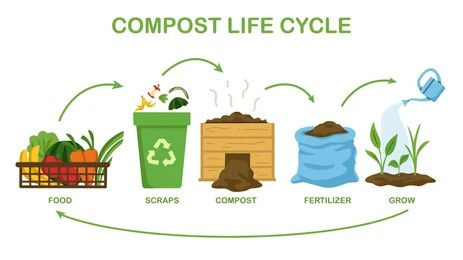
Compostable packaging is made from materials that are designed to break down into natural components under controlled composting conditions. Depending on the product, materials can include plant-based polymers, paper, cardboard, starch-based materials, and other renewable resources.
A key distinction is that compostable does not automatically mean biodegradable in every environment. Many compostable products require commercial or industrial composting facilities where temperature, moisture, oxygen, and microbial activity are carefully managed.
For businesses, this means disposal planning is just as important as product selection. A compostable food container, bag, or film may perform well during use, but its environmental benefits can be reduced if it is sent to landfill because suitable composting infrastructure is unavailable.
Before purchasing, businesses should check:
What material the packaging is made from
Whether it is certified compostable
Whether it is suitable for home or commercial composting
What disposal facilities are available in the target market
Whether it meets the requirements of the packaged product
Choosing the Right Compostable Packaging for Your Business
There is no universal compostable packaging solution. The right option depends on what you are packaging, how it will be handled, and how customers are expected to dispose of it.
For food businesses, compostable takeaway containers and food trays can provide a practical alternative to certain conventional packaging formats. Retailers may consider compostable bags, wraps, or mailer solutions where product protection and presentation requirements allow.
Businesses should also consider moisture, heat, grease, weight, shelf life, and transportation conditions. For example, packaging designed for dry goods may not provide the same performance when exposed to hot or oily food.
Cost is another consideration. Compostable packaging can have a higher upfront price than some conventional alternatives, so businesses should evaluate the complete packaging lifecycle rather than comparing unit prices alone.
Working with an experienced packaging supplier in Australia can help businesses identify suitable materials, understand product specifications, and avoid choosing packaging based solely on environmental marketing claims.
Common Challenges and How to Use Compostable Packaging Responsibly
One of the biggest challenges is customer confusion. Terms such as biodegradable, recyclable, reusable, and compostable are not interchangeable. Clear disposal instructions can make a significant difference to whether packaging enters the correct waste stream.
Businesses should also avoid assuming that compostable packaging is suitable for every application. Testing is important, particularly where packaging needs to withstand heat, moisture, pressure, or long-distance transportation.
A practical approach is to start with packaging applications where compostable materials provide a clear functional fit. Businesses can then assess customer response, disposal options, operational performance, and total packaging costs before expanding the change.
Certification and credible product information should also form part of the purchasing process. Rather than relying solely on terms such as “eco-friendly” or “green,” look for specific information about material composition, intended disposal conditions, and recognised compostability standards.
Conclusion
Compostable packaging can be a useful part of a more responsible packaging strategy, but its value depends on choosing the right product and managing its end-of-life correctly. Businesses should consider performance, certification, disposal infrastructure, customer communication, and overall suitability before making the switch.
Actionable takeaways:
Check whether the packaging is genuinely certified compostable.
Confirm whether commercial or home composting is required.
Match packaging materials to the product and operating conditions.
Provide clear disposal instructions for customers.
Review suppliers and product specifications before making a large-scale change.
For businesses exploring more sustainable packaging options, Eco Packaging Experts can help identify practical packaging solutions suited to different applications. As composting infrastructure and packaging technology continue to develop, informed material choices will become increasingly important for businesses looking to reduce packaging waste responsibly.


Comments